
June 19, 2026
 — ✦ —
— ✦ —
HIPAA Security Rule Update Delayed to 2027: What Your Practice Should Actually Do Now.
The current HIPAA Security Rule remains fully in effect.
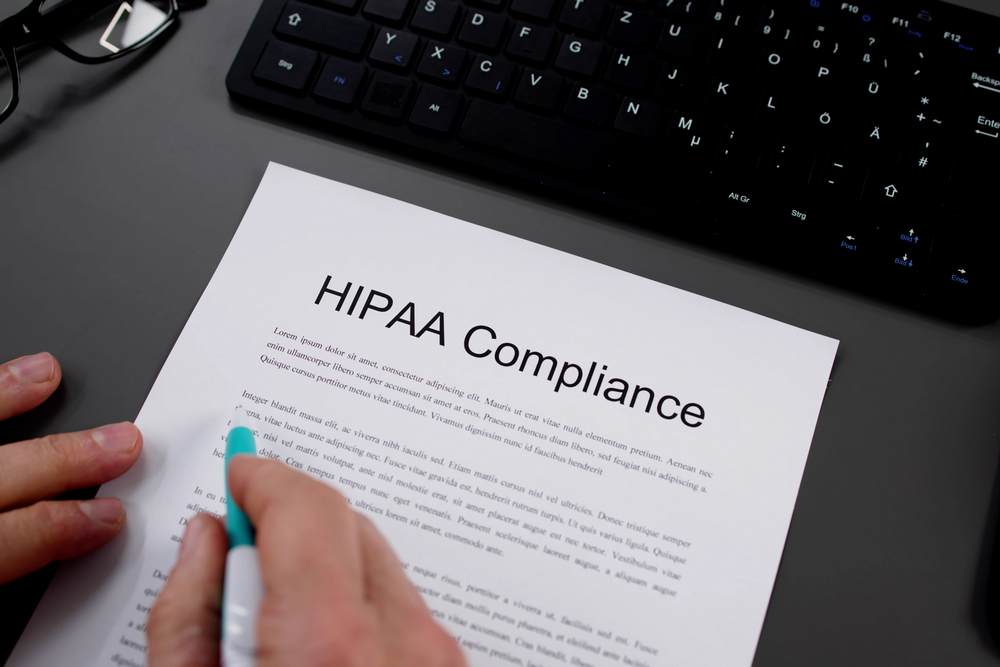
With proposed HIPAA Security Rule updates placing greater emphasis on documented security practices, HIPAA compliance requires more than having security tools in place. Healthcare organizations also need clear documentation that shows how they protect electronic protected health information (ePHI). Medical practices, clinics, dental offices, and other providers should keep organized records of risk assessments, security policies, employee training, incident response plans, and technical safeguards. As requirements continue to evolve, proper documentation can help demonstrate compliance, support internal accountability, and make it easier to respond to questions, audits, or future regulatory reviews.
Keep Clear Records of Risk Assessments

Risk assessments are an important part of HIPAA compliance because they help healthcare organizations identify potential weaknesses in their IT systems. However, completing the assessment is only one part of the process. Organizations should document the identified security risks, the systems and devices reviewed, the recommended improvements, and the actions taken to address those concerns. Maintaining a detailed record of assessment dates, findings, and follow-up activities can help demonstrate a consistent commitment to cybersecurity and compliance.
Document Security Policies and Procedures
Written security policies help employees understand how patient information should be accessed, stored, transmitted, and protected. These policies may cover password requirements, device usage, remote access, data handling, and acceptable technology use. Healthcare organizations should review and update these documents regularly to reflect current security practices and regulatory expectations. Clear policies also create consistency across the organization and help staff members understand their responsibilities.
Track Employee Cybersecurity Training

Employee training plays a major role in reducing cybersecurity risks. Healthcare staff should receive regular training on phishing prevention, password safety, secure communication, incident reporting, and proper handling of patient information. Keeping records of completed training sessions can help demonstrate that the organization is educating employees on HIPAA-related security responsibilities.
Contact us to learn how better training documentation and IT support can help your organization improve compliance readiness.
Maintain Incident Response and Technical Safeguard Records
When a security incident occurs, healthcare organizations need a clear response plan. Documenting incident response procedures, reporting processes, investigation findings, and corrective actions can help organizations respond more effectively and improve future preparedness. Healthcare providers should also maintain records of technical safeguards, including access controls, multi-factor authentication, encryption practices, backup testing, security monitoring, and recovery procedures. Keeping this information organized can help demonstrate that appropriate measures are in place to protect patient information and support HIPAA compliance efforts.
Cybersecurity documentation is a critical part of HIPAA compliance. Healthcare organizations should maintain clear records of risk assessments, policies, employee training, incident response plans, and technical safeguards. By keeping documentation accurate and accessible, providers can better demonstrate compliance, improve internal processes, and prepare for future regulatory expectations.
Build a Stronger Compliance Documentation Strategy
Preparing for HIPAA compliance starts with organized records and the right technology strategy. From managed IT services and cybersecurity solutions to risk assessment support, data backup planning, and compliance documentation, Simplicity IT helps healthcare organizations build a more secure and reliable IT environment. Our team can help you strengthen security, improve documentation, and prepare for evolving regulatory requirements.
Contact us to learn how we can help improve your compliance readiness. Schedule your Discovery Call here.