
June 21, 2026
 — ✦ —
— ✦ —
HIPAA Security Rule Update Delayed to 2027: What Your Practice Should Actually Do Now.
The current HIPAA Security Rule remains fully in effect.
HIPAA compliance is a critical responsibility for every medical practice that handles protected health information (PHI). Maintaining compliance helps healthcare providers protect patient privacy, reduce the risk of data breaches, and meet federal regulations. A clear HIPAA compliance checklist helps medical offices stay organized while supporting secure and efficient daily operations.
Keep Patient Information Secure
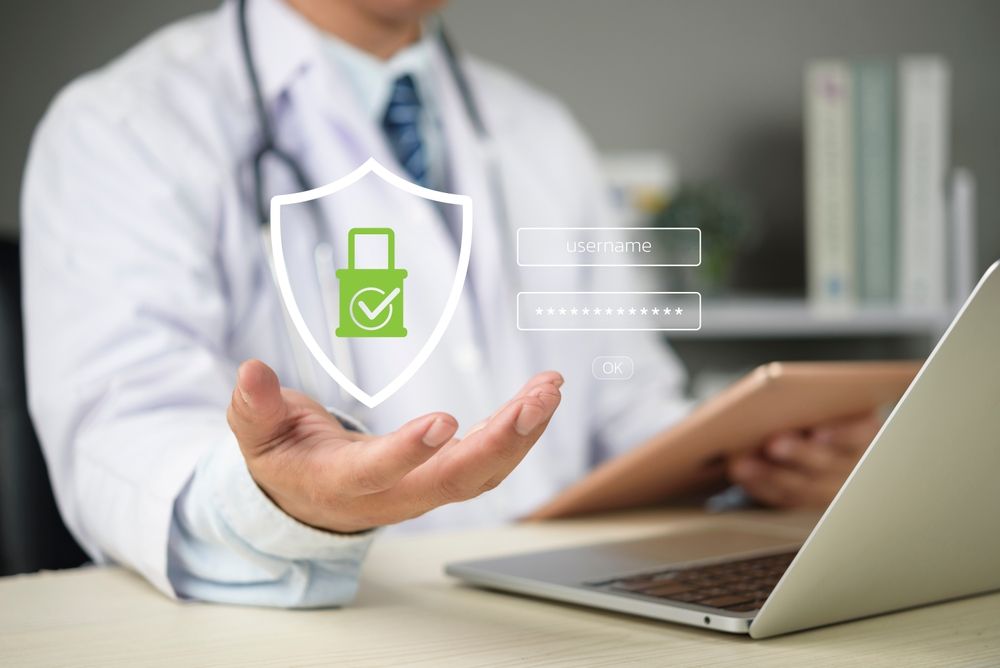
Medical practices should use strong passwords, multi-factor authentication, encrypted devices, and secure networks to protect electronic health records. Access to patient information should only be granted to authorized employees based on their job responsibilities. Regular software updates and security patches also help reduce vulnerabilities that cybercriminals may attempt to exploit.
Train Employees on HIPAA Requirements
Every staff member who handles patient information should receive ongoing HIPAA training. Employees need to understand how to properly manage medical records, recognize phishing emails, create secure passwords, and report suspicious activity. Regular training keeps security procedures fresh and helps reduce the likelihood of human error leading to a compliance issue.
Contact us to learn how employee training and proactive IT support can strengthen your HIPAA compliance efforts.
Perform Regular Risk Assessments

Routine security assessments help medical practices evaluate their current policies, technology, and procedures. Reviewing access controls, backup systems, security policies, and potential vulnerabilities allows organizations to address problems before they become larger issues. Documenting these assessments also demonstrates an ongoing commitment to HIPAA compliance.
Maintaining HIPAA compliance requires continuous attention to technology, employee education, and security best practices. Following a structured compliance checklist helps medical practices protect patient information, reduce security risks, and support uninterrupted healthcare services. A proactive approach to compliance also helps build patient confidence and prepares your practice for future security challenges.
Protect Patient Information with Better Security from Simplicity IT
Medical practices need secure systems, proper access controls, employee awareness, and organized technology processes to help protect patient information and support HIPAA compliance. Simplicity IT can help your practice strengthen its IT setup, improve security practices, and create a more reliable technology environment for daily healthcare operations. We also help medical offices feel more confident with practical support designed around the needs of patient-focused businesses. Contact us to improve your practice's IT security and support your HIPAA compliance efforts. Schedule your Discovery Call here.