July 18, 2026
 — ✦ —
— ✦ —
Choosing between hiring an in-house IT employee and outsourcing IT support is an important decision for any growing business. Both options can provide valuable technical expertise, but the right choice depends on your company’s size, budget, technology needs, and long-term goals. Understanding the advantages and limitations of each approach can help you choose a support model that keeps your systems reliable and your employees productive.
The Benefits of Hiring an In-House IT Employee
An internal IT employee works directly within your organization and becomes familiar with your team, systems, and daily operations. This can be useful for businesses that require frequent on-site assistance or have highly specialized technology needs. However, one employee may have limited expertise, may not be available after hours, and will require salary, benefits, training, equipment, and coverage during vacations or absences.
The Advantages of Outsourcing IT Support
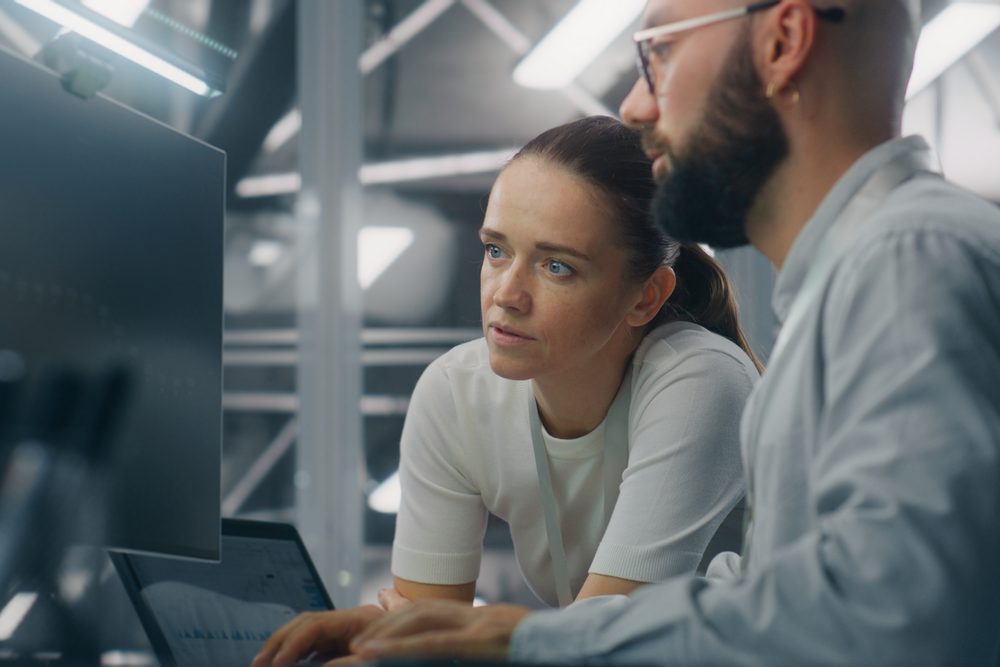
Outsourced IT support gives your business access to a team of professionals with experience across multiple areas of technology. This may include cybersecurity, cloud services, network management, backups, compliance, and technical support. Because responsibilities are shared across a team, outsourced providers can often offer broader knowledge, faster response options, and ongoing coverage without the expense of maintaining a full internal IT department.
Key Factors to Consider
Every business has different technology needs, so there is no single support model that works for every organization. Before deciding whether to hire an in-house IT employee or outsource your IT support, consider these important factors:
- Budget: Compare the total cost of an employee’s salary, benefits, training, and tools with the monthly cost of outsourced IT services.
- Technical Expertise: Determine whether your business needs one general IT professional or access to specialists in cybersecurity, cloud systems, compliance, and networking.
- Support Availability: Consider whether your company requires after-hours, weekend, or emergency assistance.
- Cybersecurity: Evaluate who will monitor your systems, manage updates, respond to threats, and protect sensitive business information.
- Business Growth: Choose a support model that can expand as your team, locations, software, and technology requirements increase.
- On-Site and Remote Support: Decide how often employees need in-person assistance compared with remote troubleshooting and monitoring.
- Long-Term Planning: Consider who will help with IT budgeting, equipment replacement schedules, software upgrades, and future technology decisions.
Comparing the Overall Costs
Hiring an IT employee involves more than paying a salary. Businesses must also consider payroll taxes, benefits, recruiting, training, software tools, equipment, and continuing education. Outsourced IT services are often provided for a predictable monthly fee, which can make technology expenses easier to plan. The most cost-effective option depends on the level of support your organization needs and whether a single employee can realistically manage all responsibilities.
Availability and Response Times
An in-house employee may be readily available during regular office hours, but coverage can become limited during vacations, sick days, or after-hours emergencies. An outsourced provider may offer help desk support, remote monitoring, and access to multiple technicians when issues arise. Businesses should compare response times, service hours, escalation procedures, and on-site availability before making a decision.
Cybersecurity and Specialized Expertise

Modern IT support requires knowledge across several areas, including cybersecurity, compliance, cloud platforms, data recovery, network performance, and software management. It can be difficult for one employee to remain highly skilled in every category. Outsourcing can provide access to specialists who stay current with changing threats and technology, while an internal employee may offer deeper familiarity with your organization’s daily workflows.
A Hybrid Approach May Be the Right Fit
Some organizations benefit from combining internal and outsourced IT resources. An in-house employee can handle routine requests and coordinate with an outside provider for cybersecurity, major projects, advanced troubleshooting, and long-term planning. This approach can provide the familiarity of internal support while adding the broader expertise, tools, and coverage of an external team.
Find the Right IT Solution with Simplicity IT
There is no single answer that fits every organization. Hiring an IT employee may make sense for businesses that require constant on-site support, while outsourcing may be a better choice for companies seeking broader expertise, predictable costs, and dependable coverage. At Simplicity IT, we help businesses throughout San Diego County evaluate their technology needs and develop practical IT strategies that support reliability, security, productivity, and future growth. Contact us to discuss the right IT support model for your business and schedule your Discovery Call here.