July 8, 2026
 — ✦ —
— ✦ —
HIPAA compliance is essential for every healthcare and dental practice that handles patient information. It helps protect private health records, billing details, appointment information, and other sensitive data from unauthorized access. Without the proper safeguards in place, a single mistake can lead to privacy concerns, compliance violations, financial penalties, and a loss of patient trust. Understanding HIPAA compliance is an important step toward protecting both your patients and your practice.
Understanding HIPAA Compliance

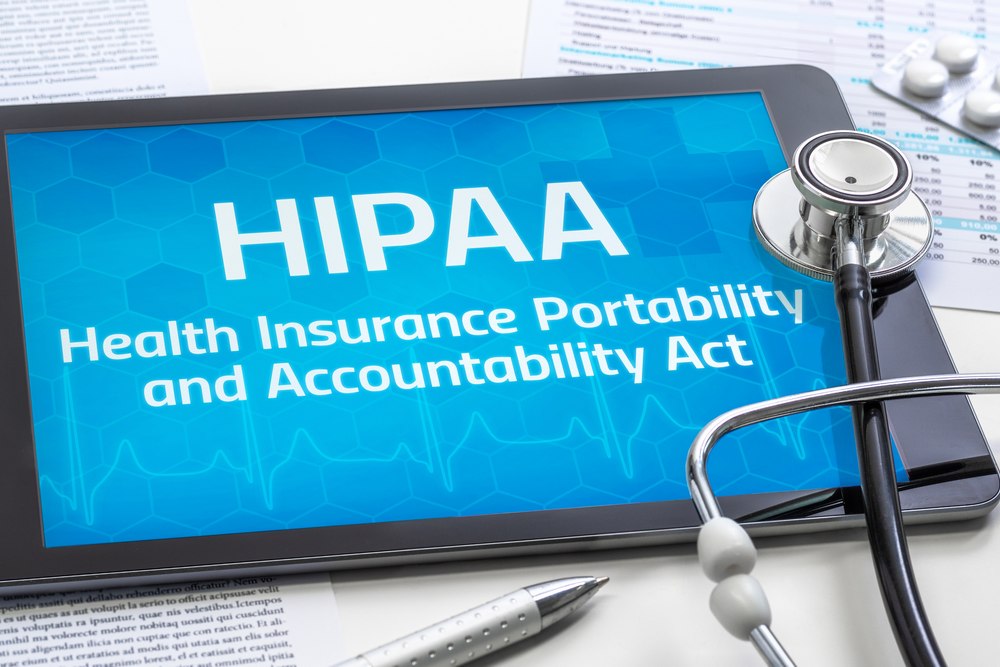
HIPAA, or the Health Insurance Portability and Accountability Act, establishes rules for how protected health information (PHI) must be stored, shared, and secured. These regulations apply to medical offices, dental practices, billing companies, healthcare providers, and many other organizations that work with patient data. Following HIPAA guidelines helps reduce the risk of data breaches, improves patient privacy, and supports the secure handling of sensitive information throughout your organization.
Common HIPAA Compliance Risks
Many HIPAA violations occur during routine daily activities rather than sophisticated cyberattacks. Employees may accidentally send patient information to the wrong recipient, reuse weak passwords, access records from unsecured devices, or click phishing emails that expose sensitive data. Common compliance risks include:
- Unsecured patient records
- Weak or shared passwords
- Lost or stolen laptops and mobile devices
- Phishing emails and malicious links
- Outdated software and operating systems
- Poor user access controls
- Insufficient or untested data backups
Identifying and addressing these risks early helps practices reduce security vulnerabilities while maintaining compliance with HIPAA requirements.
Contact us to learn how stronger cybersecurity and proactive IT support can improve your HIPAA compliance strategy.
Reliable IT Support Makes Compliance Easier

HIPAA compliance depends on having the right technology protections in place. Medical and dental practices need secure networks, encrypted data, updated software, protected devices, dependable backups, strong password policies, multi-factor authentication, and continuous system monitoring. Staff training also plays a critical role by helping employees recognize security risks and follow proper procedures when handling patient information. Combining secure technology with ongoing employee awareness creates a stronger foundation for protecting sensitive healthcare data.
HIPAA compliance is not a one-time project. It requires continuous attention, regular updates, employee education, and proactive technology management. By strengthening your cybersecurity practices and maintaining secure IT systems, your organization can better protect patient information, reduce compliance risks, and build greater trust with every patient you serve.
Strengthen HIPAA Compliance with Simplicity IT
Simplicity IT helps medical and dental practices strengthen cybersecurity, improve HIPAA compliance, and better protect sensitive patient information. Through managed IT services, proactive monitoring, secure backups, employee security awareness training, software updates, and ongoing technical support, we help practices build a more secure and reliable technology environment. Contact us today to strengthen your HIPAA compliance strategy. Schedule your Discovery Call here.