October 5, 2026
 — ✦ —
Your server may need replacing if it has frequent hardware failures, persistent performance problems, limited upgrade capacity, or struggles to run essential business applications. Expired manufacturer support, unavailable replacement parts, and an operating system approaching the end of security support are additional reasons to review your options. Rising repair costs and repeated downtime can also make replacement worth considering. However, age or slow performance alone does not prove that you need a new server. An IT assessment can help determine whether maintenance, upgrades, software changes, or replacement would best address the problem.
Frequent Failures Interrupt Daily Operations
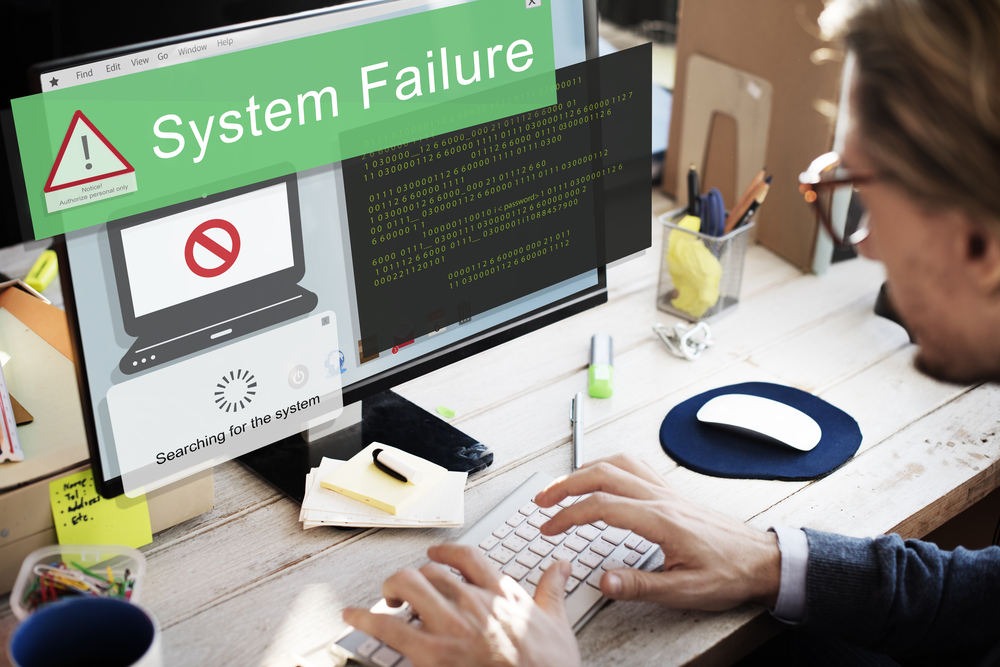
Unexpected shutdowns, repeated crashes, and hardware error alerts deserve attention, especially when employees depend on the server for shared files or business applications. Restarting may temporarily restore access without resolving the underlying issue.
Your IT provider should investigate the cause before recommending replacement. Some problems involve a repairable component or software configuration, while repeated failures across aging equipment may make a planned replacement more practical.
Performance No Longer Meets Business Needs
A server that worked well when your company had fewer employees may struggle as workloads increase. Applications may respond slowly, reports may take longer to generate, or employees may experience delays accessing shared information.
These symptoms do not always mean the server itself is the problem. Network issues, application settings, and storage limitations can also affect performance. Reviewing resource usage and workload requirements helps determine whether an upgrade is sufficient or a replacement is needed.
Simplicity IT's Managed IT services include monitoring, maintenance, and support for supported servers and business applications.
Support and Replacement Parts Are Becoming Limited
Check whether your server still has manufacturer support and whether replacement components are readily available. An expired warranty doesn't automatically make equipment unusable, but it can change repair costs and timing.
If an important component fails and a replacement is difficult to obtain, your business may face a longer interruption. Review support options before a failure to compare extending coverage, replacing equipment, or moving suitable workloads to another platform.
The Operating System Is Approaching End of Support
Hardware condition is only part of the decision. Your server’s operating system and essential applications also need a supported path for updates and ongoing use.
If software support is ending, ask your IT provider whether the existing hardware can run a supported version and whether your applications are compatible. A software upgrade may be enough, but hardware limitations or application requirements may require a server replacement.
Your Server Has Limited Room to Grow
A server may become difficult to expand when it cannot accommodate the memory, storage, or processing capacity your business requires. Repeatedly working around those limits can complicate future technology decisions.
Consider both current workloads and expected changes. Adding employees, introducing applications, or expanding locations may affect your requirements. Our IT Projects & Consulting services include technology assessments, infrastructure planning, and server replacement projects based on business needs.
Repairs and Downtime Keep Adding Up
The cost of keeping a server includes maintenance, repairs, support, and the effect of interruptions on employees. A repair may be reasonable on its own, but repeated incidents can change the financial picture.
Compare the expected cost of maintaining the existing system with the full cost of replacement, including equipment, licensing, migration, and ongoing support. The decision should account for reliability and business impact alongside the purchase price.
Recovery Is Becoming Difficult to Plan
Before deciding to keep or replace a server, review how your business would recover if it failed. Confirm that important data is protected and that the recovery process accounts for replacement hardware, application requirements, and restoration priorities.
Our Backup & Business Continuity services help businesses review backup coverage, test representative restores, and establish practical recovery plans according to their selected services and agreement.
A server replacement requires more than transferring files. Applications, licensing, user access, backups, and connected systems need to be considered. Planning the transition also gives you time to test and communicate with employees.
At Simplicity IT, we help businesses assess aging equipment, evaluate options, and plan server replacements around operational needs and available resources. Our project services include scheduling, vendor coordination, implementation, testing, and documentation, all aligned with the agreed scope.
Contact Simplicity IT to review your server’s condition, recurring problems, and future requirements. Schedule your Discovery Call here.