March 17, 2026
— ✦ —
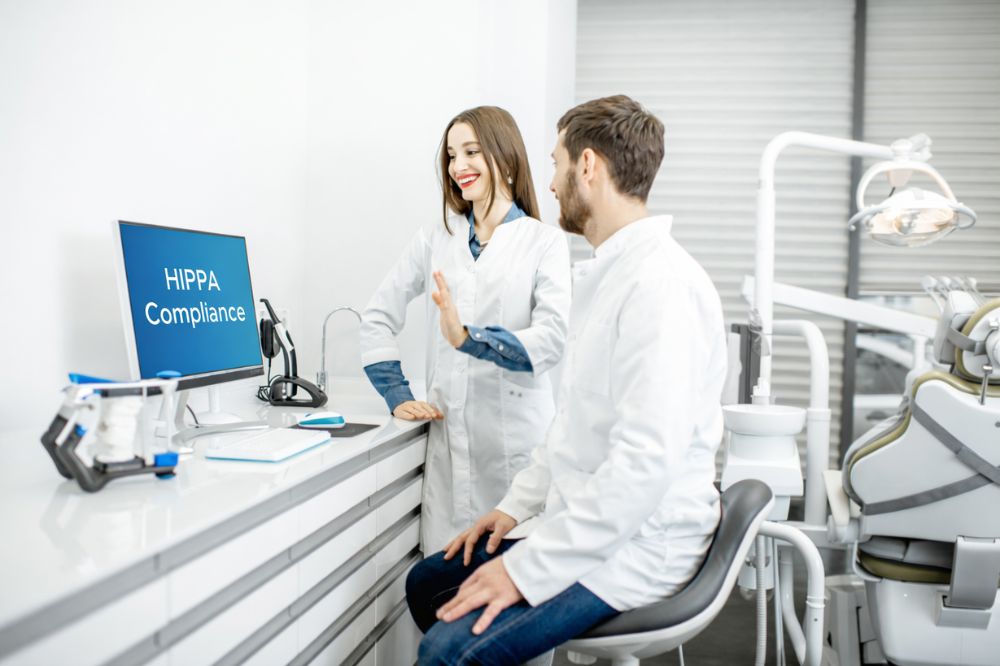
HIPAA compliance in a dental office requires consistent processes, secure systems, and a well-trained team. Patient information is handled throughout the day across phone calls, digital records, and internal communication, which creates multiple points of risk if proper safeguards are not in place. Even small mistakes, such as sharing information through an unsecured method, can lead to compliance issues if clear procedures are missing.
It Begins With the People in Your Office
Staff play a critical role in maintaining HIPAA compliance. Gaps in training often lead to uncertainty around what information can be shared, how it should be handled, and when additional steps are required.
For example, a front desk team member may receive a request for patient information and respond quickly without verifying proper authorization. Situations like this highlight the need for structured training and clear expectations. When staff are properly educated and regularly updated on compliance standards, they are more confident in handling patient information correctly during day-to-day operations.
Technology Plays a Key Role
Secure and up-to-date technology is essential for protecting patient data. Dental offices rely on multiple systems, including practice management software, digital records, and communication tools. Weak security measures or outdated systems can increase the risk of unauthorized access or data exposure.
A common issue occurs when offices use unsecured email or lack proper encryption when sharing sensitive information. Strengthening passwords, maintaining updated systems, and using secure communication platforms significantly reduce these risks. When technology is properly managed, it supports both operational efficiency and data protection.
Clear Procedures Keep Operations Consistent
Defined procedures help eliminate guesswork during busy moments. Without documented processes, staff may rely on memory or make quick decisions that lead to compliance issues.
For instance, having a step-by-step process for verifying patient identity before releasing information ensures consistency across the team. Written protocols for handling records, responding to requests, and reporting concerns create a structured approach that staff can follow confidently. Over time, these procedures become part of daily operations and reduce the likelihood of errors.
Ongoing Monitoring and Improvement
HIPAA compliance is not a one-time task. Regular reviews of systems, processes, and staff performance help identify potential gaps before they become larger issues.
An office that periodically audits its communication methods, access controls, and data storage practices is better positioned to maintain compliance. Continuous improvement helps ensure that security measures remain effective as technology and regulations evolve.
Building a More Secure and Reliable Practice
A fully compliant dental office operates with clear systems, trained staff, and consistent processes. These elements work together to protect patient information and support a more stable operation. Strong compliance practices also reinforce patient confidence, which plays a key role in long-term success.
Partner With Simplicity IT for Better HIPAA Compliance Support
HIPAA compliance can feel overwhelming for a busy dental office, especially when patient information is moving through phones, emails, software, and daily staff interactions. From secure systems and staff training to better processes and ongoing support, every part of your office plays a role in protecting sensitive data. Simplicity IT understands the complexities of compliance and can work with you to help meet your company’s compliance requirements through dependable local IT services and computer support. Contact us and discover how great local IT services and computer support can help your dental office stay better prepared, more secure, and more confident in its day-to-day operations.
Schedule your Discovery Call here